This Infinity Kingdom PvP guide explains how to win alliance wars, choose the best troop counters, and dominate PvP battles in 2026. Infinity Kingdom is a strategy game where PvP plays a central role. You can visit the official game page to learn more about its features.
When PvP Becomes Essential in Infinity Kingdom
This Infinity Kingdom PvP guide helps players understand why PvP becomes the most important part of the game early on.
Castle level 14. I remember the exact number because I’ve replayed that week in my head more times than I’d like to admit.
Resources were flowing. Immortals were okay, not great, but functional. The kingdom had this satisfying solidity to it, you know? The kind that makes you feel like you’ve figured something out. Like the hard part is behind you.
Then an alliance from three territories over showed up. Eleven minutes. Four days of troop training gone. Not because they were twice my power. Not even close, actually. They were organized. I was not. And in Infinity Kingdom, that gap is wider than any power differential you’ll encounter in the first six months of play.
Here’s the thing nobody says out loud early enough: PvP isn’t the part of the game that starts when you feel ready. It is the game. The resource wars, the territorial disputes, the Alliance Wars that determine which alliance controls the server all of it is PvP, running continuously whether you’re participating or not. Players who treat it like a optional late-game feature discover at real cost, the kind measured in weeks of lost progress that readiness is a habit, not a milestone.
This guide is about building that habit before the eleven minutes find you.
First time here? Before going further if you haven’t already read our complete Infinity Kingdom guide for beginners and advanced players, start there. The Immortal systems, kingdom foundations, and troop mechanics covered in that guide are the scaffolding this entire article rests on.
Understanding PvP combat: what actually determines who wins
Preparation is the entire game
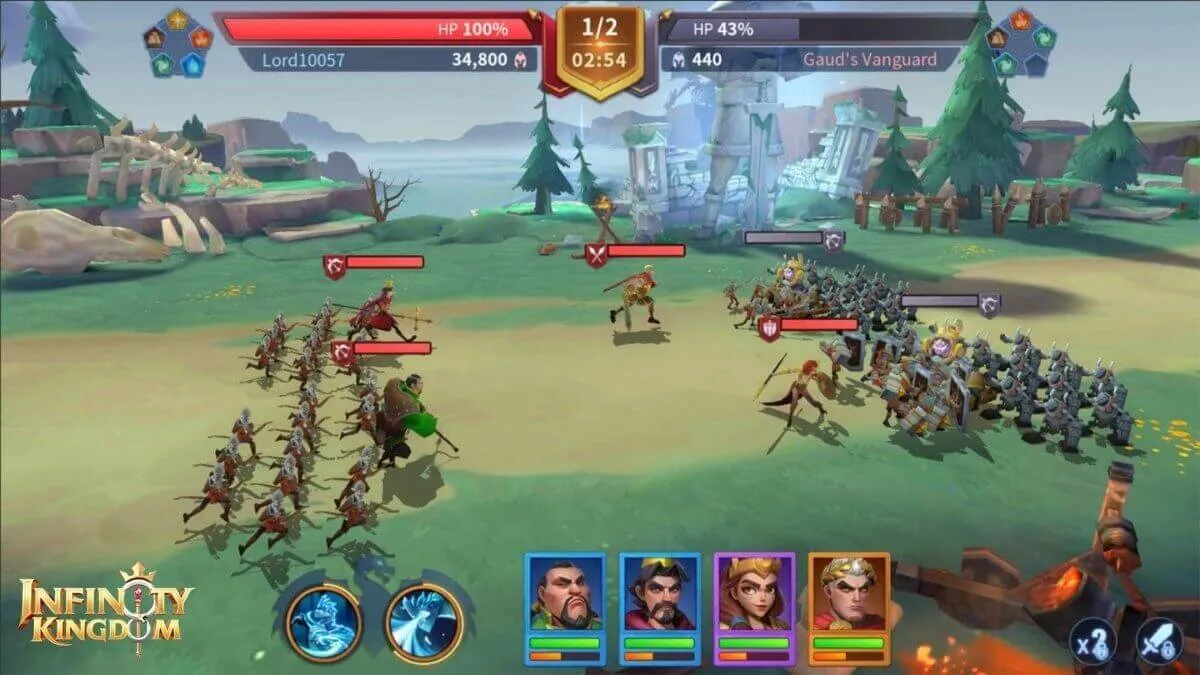
In this Infinity Kingdom PvP guide, preparation is the most critical factor in winning battles.Infinity Kingdom’s battle system is automated. Real-time, visually but automated in every meaningful sense. The moment your troops start marching, the outcome is already written. There’s no micro-management waiting on the other side, no last-second decision that flips the result, no clutch play that redeems a bad composition.
I know how that sounds to players coming from games where skill expression happens during the fight. It sounds passive. Maybe even a little boring. But here’s what I’ve come to think after significant time in competitive servers in 2026: the strategic depth doesn’t disappear it just lives somewhere else entirely. It lives in preparation. In the Immortal builds you chose three weeks ago. In the research path you committed to at Castle level 8. In the troop composition decision you made before the march began.
Choosing the right Immortals is critical, so check** the Immortals tier list **to build the strongest team.
The preparation layer in Infinity Kingdom is, genuinely, extraordinarily deep. Players who figure this out stop feeling frustrated by the automated battles and start feeling something closer to I want to say chess, but it’s more like chess where the pieces you place on the board today fight the battles of next week. That’s the actual game.
The troop counter system know it or lose to it
A key part of any Infinity Kingdom PvP guide is understanding the troop counter system.
Four troop types. One hard counter cycle:
- Infantry crushes Mages
- Cavalry dismantles Infantry
- Archers shred Cavalry
- Mages obliterate Archers
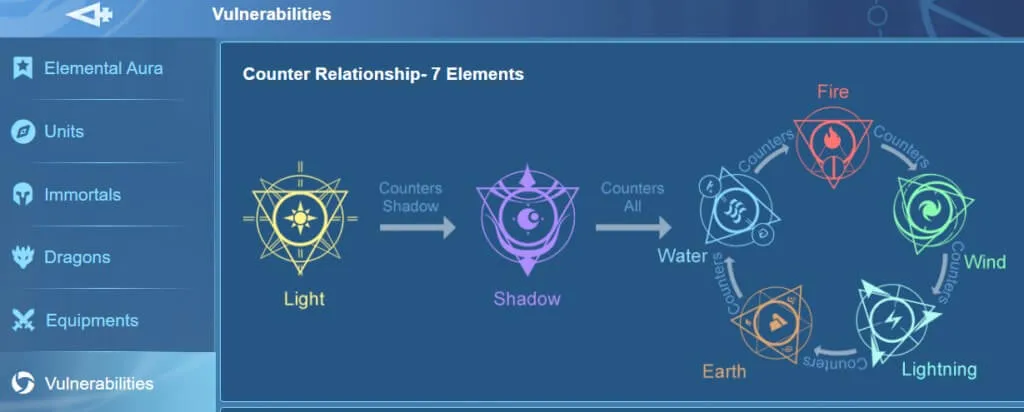
This is not a subtle balancing mechanic. It’s a hard counter system that produces dramatic, sometimes humiliating, power differentials when mismatched. A Cavalry army that walks into an Archer formation at equivalent power levels doesn’t lose by a narrow margin. It gets erased. The counter advantage overrides numerical superiority up to a genuinely significant gap.
The practical instruction that follows from this is simple and almost never followed by players in their first month: scout before you march. The game shows you enemy troop composition before engagement. Look at it. Use it. Walking into a counter matchup that the scouting report would have revealed isn’t bad luck it’s a preparation failure, which means it’s entirely preventable.
Power rating is a lie here’s the truth
The power number displayed on player profiles in Infinity Kingdom is one of the most misleading metrics in any mobile strategy game I’ve played and I’ve played enough to have developed genuine opinions about misleading metrics.
It aggregates wildly different types of progress into a single figure. Building upgrades count. Research counts. Immortal development counts. Troop numbers count. All of it collapses into one number that tells you almost nothing about how a player actually performs in combat.
A player with enormous power from building upgrades and deep research but half-developed Immortals at three stars will frequently not occasionally, frequently lose to a lower-power player whose Immortals are maxed and whose troop composition correctly counters theirs.
Stop chasing the number. Chase the components:
- Immortal star levels and awakening status
- Troop composition relative to your server’s meta
- Elemental research depth in your chosen element
- Dragon skill development matched to your elemental focus
Open world PvP: how to fight, raid, and survive on the map
This Infinity Kingdom PvP guide also covers how to survive and dominate in open world PvP.
Choosing your battles the intelligence layer
Aggressive players in open world PvP win some fights spectacularly and lose others catastrophically. Intelligent players win at lower risk with greater consistency. The difference is almost entirely about information gathering before action.
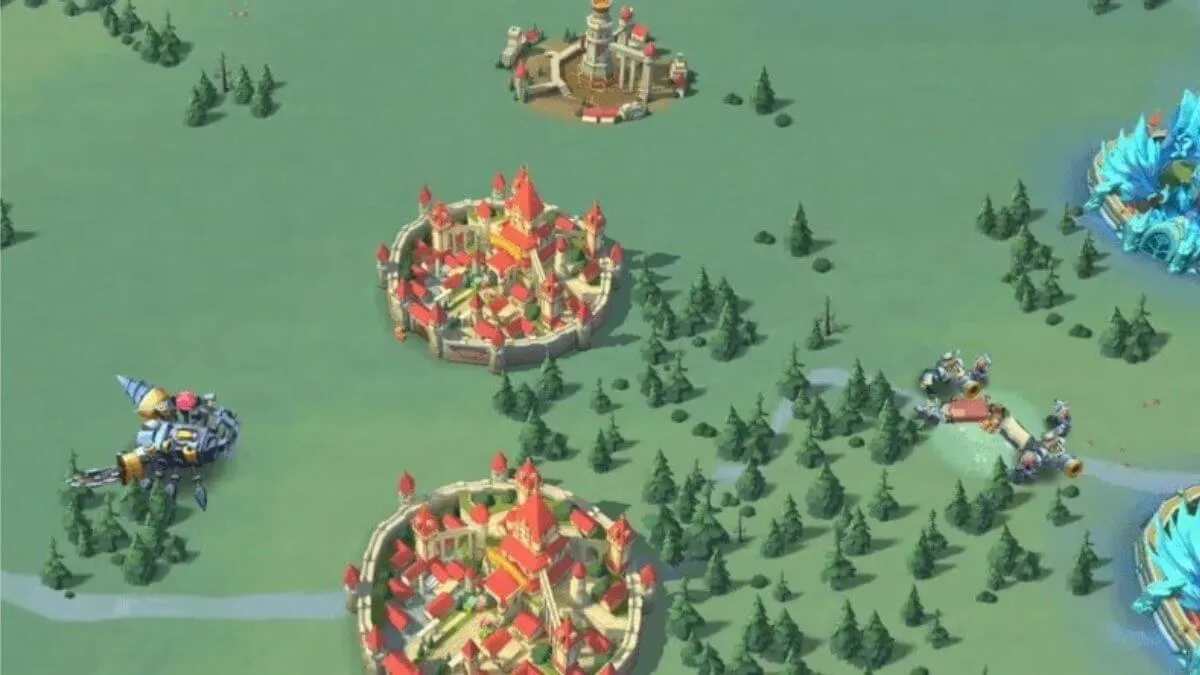
Before attacking any player or contested resource tile, you want to know: their troop composition from the scouting report, their alliance affiliation and whether that alliance is active enough to retaliate meaningfully, whether they’re shielded (attacking a shielded player accomplishes nothing and telegraphs your intentions to their alliance), and whether their hospital has remaining capacity a full hospital means your attack kills troops permanently rather than hospitalizing them, which changes the retaliation math considerably.
If you’re still building your kingdom economy, check our resource farming guide to optimize your resource generation.
None of this takes long. It takes thirty seconds of checking. Players who do it consistently make dramatically fewer expensive mistakes than players who march on instinct.
The rally mechanic why solo attacks on strong players never work
Let me be direct about this because it’s the single most common expensive mistake in mid-game PvP: solo attacking a well-developed player or fortified position almost always fails. Not sometimes. Almost always. The math of a solo march against a prepared defender with solid Immortals and appropriate troop composition rarely favors the attacker regardless of the power differential.
Rallies exist to solve this problem. A rally combines multiple alliance members’ marches into a single coordinated strike merged troop counts, combined Immortal skill activations, stacked elemental bonuses. Four or five alliance members executing a proper rally will dismantle defended positions that would destroy any individual attacker, including ones with significantly higher individual power.
The habit: when uncertain, rally. Solo heroics are satisfying exactly once usually right before you understand, at real cost, why experienced players don’t attempt them.
Teleportation as a tactical weapon
Most players use Teleport reactively. Danger arrives, they teleport away. Attack incoming, they reposition. This is fine but it’s using a tactical instrument as a panic button which means its offensive potential is entirely untapped.
Experienced players teleport before the engagement begins. Positioning adjacent to an enemy alliance’s core territory right before a coordinated rally eliminates the march time window that would otherwise allow defenders to shield, reposition, or request reinforcement. In a game where marches take minutes and warnings matter surprise, manufactured through deliberate pre-combat teleportation, has genuine strategic value.
One critical caveat: never teleport into hostile territory without alliance coordination. An isolated kingdom inside enemy territory even temporarily, even for a few minutes is a target that aggressive alliances have standing orders to hit on sight.
Protecting your kingdom shields, positioning, and deterrence
Defense in open world PvP operates across three distinct layers that most players collapse into one.
Shields are the hard layer complete, temporary invulnerability. Use them deliberately. A player who shields reflexively every time they log off creates a pattern that opponents simply work around, and they never develop the positioning habits and alliance relationships that provide durable long-term protection. Shields are investments, not reflexes.
Positioning is the structural layer where your kingdom sits on the world map relative to your alliance cluster. Deep inside allied territory is exponentially safer than frontier positioning. When you teleport, think about the map, not just the immediate objective.
Deterrence is the softest layer and often the most durable one. Being part of an alliance with a demonstrated pattern of meaningful retaliation changes the cost-benefit calculation for players considering attacking you. It doesn’t prevent all aggression. But it reduces casual opportunistic attacks significantly over time which, compounded across weeks, is real protection.
Alliance wars: the endgame content that defines server hierarchy
Every advanced Infinity Kingdom PvP guide must include alliance wars strategy.
What alliance wars actually are and why they matter more than anything else
Alliance Wars Holy War in some server contexts is organized territorial conflict between alliances for control of the Holy City and surrounding strategic territories. This is the event that everything else in the game is, at some level, preparation for.
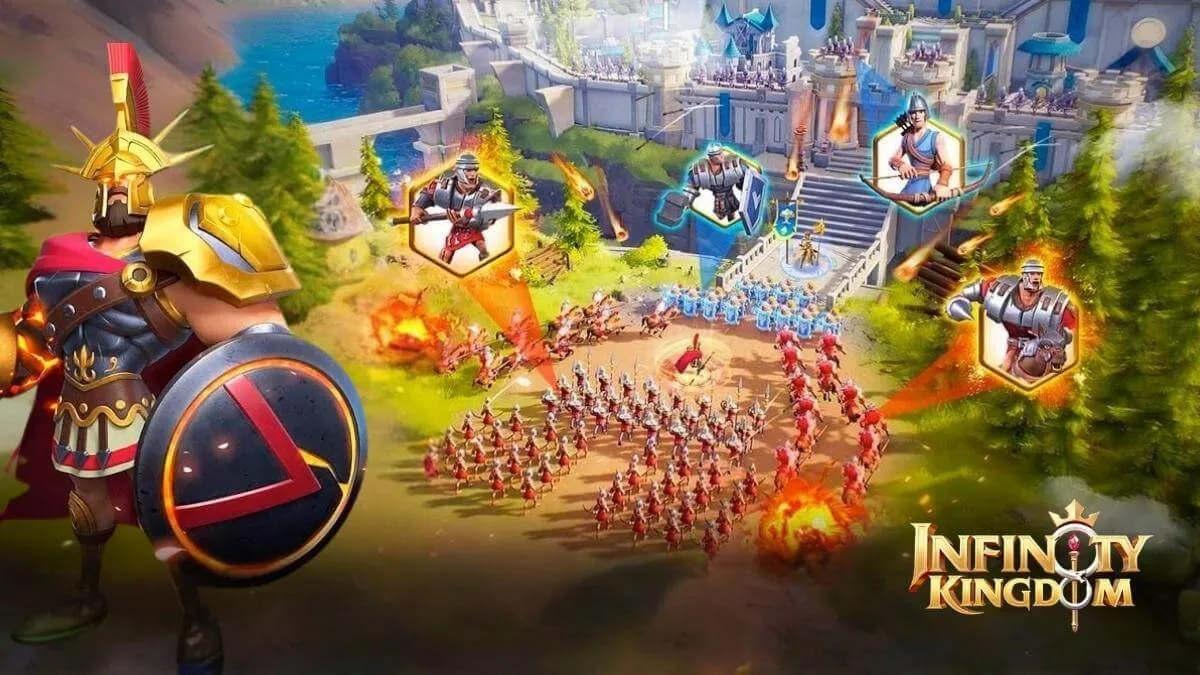
Controlling the Holy City grants server-wide bonuses to the occupying alliance that cascade through every member’s kingdom simultaneously: resource production increases, troop stat buffs, research acceleration. These bonuses don’t plateau they compound continuously as long as control is maintained. The alliance controlling the Holy City pulls further ahead of everyone else every single day it holds.
This is why serious alliances treat Alliance Wars as the primary objective rather than a side event. It’s not prestige. It’s a continuously widening economic and military advantage that becomes increasingly difficult to overcome the longer it persists.
Alliance structure finding the right alliance for your playstyle
Joining the wrong alliance particularly in the critical early weeks of a new server is a mistake that’s genuinely difficult to recover from. The right alliance isn’t necessarily the most powerful one on the map. It’s the one with the activity level, leadership quality, and diplomatic positioning that matches how you actually play.
What to evaluate seriously:
Activity during peak hours Alliance Wars require coordinated real-time action. An alliance with 50 members where 12 are consistently online during war windows is functionally weaker than one with 30 members who show up reliably. Count the online markers, not the member count.
Leadership communication do the R4s and R5 post rally coordinates? Do they schedule war participation? Do they communicate strategy rather than just barking orders after the fact? Leadership quality is the variable that separates alliances that win from alliances that lose wars they had the power to win.
Alliance technology development a mature technology tree means immediate passive production and combat bonuses on joining. Concrete and measurable.
Diplomatic context an alliance simultaneously at war with three others is a very different commitment than one with stable non-aggression agreements and one focused rival. Understand the diplomatic landscape before joining.
How alliance wars are structured mechanics and phases
Alliance Wars follow a repeating structured format. Understanding the phases lets you prepare deliberately rather than react frantically:
Preparation phase this is where wars are won or lost more often than players realize. Alliances position kingdoms on the map, teleport members to strategic locations, shield vulnerable players, and assign rally roles before combat begins. Preparation discipline is the variable that separates organized alliances from chaotic ones and the outcomes are visible immediately when the combat phase opens.
Combat phase territories change hands. Rallies fire. Kingdoms march. Speed and coordination of alliance response is decisive here. The primary reasons alliances lose wars they had the power to win: slow rallies, uncoordinated marches, and members who are offline during scheduled windows.
Consolidation phase chronically underestimated. Capturing the Holy City means nothing if the alliance cannot organize defense against the immediate counter-rally that, without exception, always follows. Holding requires the same coordination as capturing.
Tactical roles in alliance wars know yours
Effective alliances assign roles. Members who know their role contribute meaningfully to outcomes that members doing the same thing simultaneously cannot produce.
Rally leaders anchor coordinated strikes typically the highest-power members whose Immortals provide the strongest formation bonuses. Individual kingdom strength is the priority investment if this is your role.
Rally fillers add troop volume to leader-launched rallies. Speed matters most here joining before the rally fires and contributing clean troop numbers without type conflicts that degrade the overall composition.
Defenders intercept incoming attacks on alliance territory. Defensive Immortal builds and high hospital capacity are the relevant preparation investments.
Resource contributors fuel the alliance war machine technology donations, resource transfers, and the economic infrastructure that sustained multi-day warfare requires. Not every member belongs on the frontline and that’s completely fine.
Dragon skills in PvP the multiplier everyone leaves on the table
Every player has a Dragon. Most treat it as a background feature spending Dragon coins when they accumulate, selecting nodes without a coherent plan, and discovering months later that the passive power they left undeveloped was substantial.
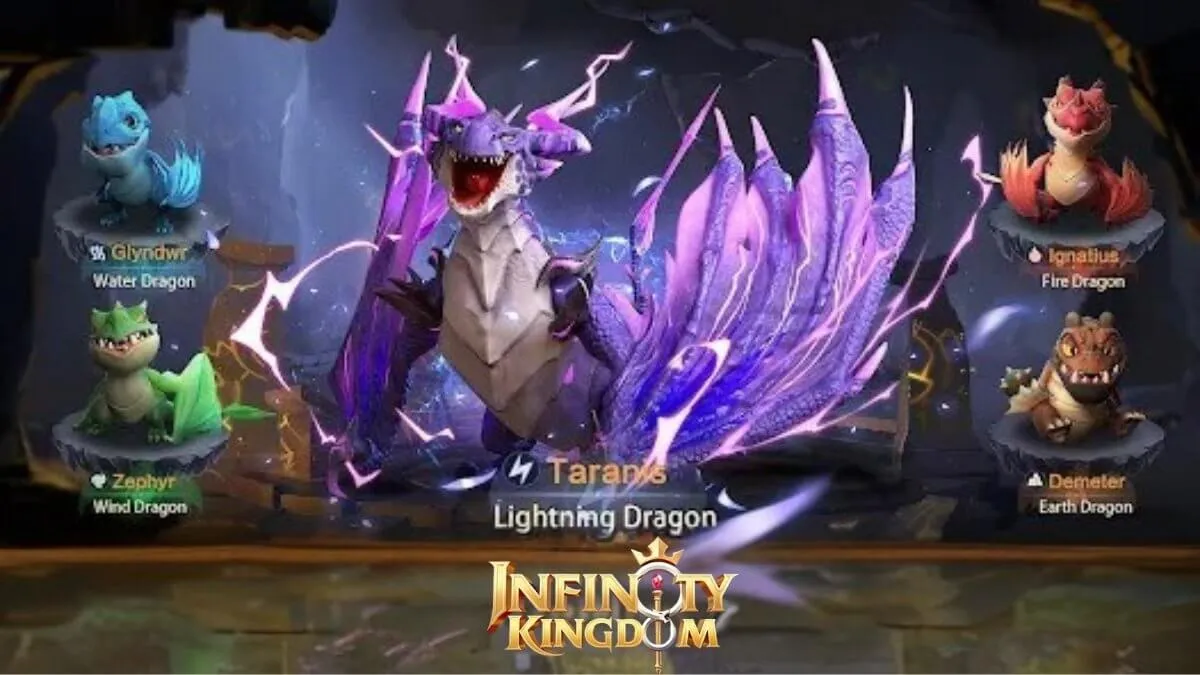
Dragon skills are element-specific passive bonuses that amplify combat effectiveness when matched to your Immortal team’s element. The compounding effect of a fully developed, element-matched Dragon skill tree in late-game PvP isn’t marginal. It’s the difference between competitive and genuinely dominant at equivalent Immortal and troop levels a gap that becomes more visible and more painful the deeper into competitive Alliance Wars you go.
The single discipline that matters: match your Dragon element to your Immortal team’s element from the beginning, and never switch. Respeccing Dragon skills mid-progression is expensive in a way that setbacks compound. Decide your elemental focus early commit it and build toward a fully developed Dragon that amplifies everything your Immortal composition does.
Common PvP mistakes that experienced players stopped making
Many of these issues come from common beginner mistakes that players often overlook early on.
The gap between players who consistently lose PvP and players who consistently win it is almost never raw power. It’s behavior:
- Solo attacking strong players rallies exist because they work. Solo attacks on prepared defenders exist because players haven’t learned yet why experienced players don’t do them
- Marching without scouting the counter matchup the scouting report would have shown you is a preparation failure, not bad luck
- Reactive shielding shields spent in panic after an attack are gone. Shields deployed before a vulnerability window are investments
- Mismatched Dragon element passive power permanently unrealized is the quietest and most persistent drain on competitive performance
- Alliance Wars absenteeism being offline during scheduled war windows doesn’t just reduce individual contribution. It erodes the coordination trust that organized alliances depend on and that takes time to rebuild
- Power rating obsession a large power number built primarily on building upgrades rather than Immortal development looks intimidating in the profile view and folds in actual combat
Building toward PvP dominance: the long-term framework
This Infinity Kingdom PvP guide helps you build long-term dominance in every PvP scenario. In 2026, success is not about short-term power, but about consistent strategy, preparation, and smart decision-making.
Immortal depth two maxed, awakened Immortals at the core of a focused elemental composition. Not six half-developed ones. Depth creates competitive ceiling. Width creates an expensive illusion of it.
Troop composition discipline building troop types that counter what your specific server meta fields, not the types that feel strongest in isolation or look most impressive in training queues.
Alliance integration active participation in a coordinated alliance that retaliates against attacks, executes organized rallies, and competes seriously in Alliance Wars. Individual power without alliance context is I keep coming back to this image a very fast car on a road that doesn’t exist.
Dragon alignment a fully developed skill tree matched to your elemental focus, built consistently from the first Dragon coin spent rather than assembled reactively when the competitive gap it creates is already visible.
Preparation habits scouting before marching, shielding deliberately, positioning intelligently relative to your alliance cluster, showing up when the wars are scheduled.
None of this is dramatic. None of it requires spending. All of it, applied consistently over weeks and months, produces kingdoms that get mentioned in alliance leadership channels when war targets are being discussed and that, in this game, is what dominance actually looks like.
Ready to build the complete foundation under all of this? Our complete Infinity Kingdom guide ties the whole picture together kingdom building, Immortal development, resource management, and combat strategy in one hub. This series is the map. The complete guide is the territory.
In conclusion, mastering PvP in Infinity Kingdom requires smart strategy, preparation, and consistency.
This Infinity Kingdom PvP guide helps you win alliance wars and improve your strategy over time.