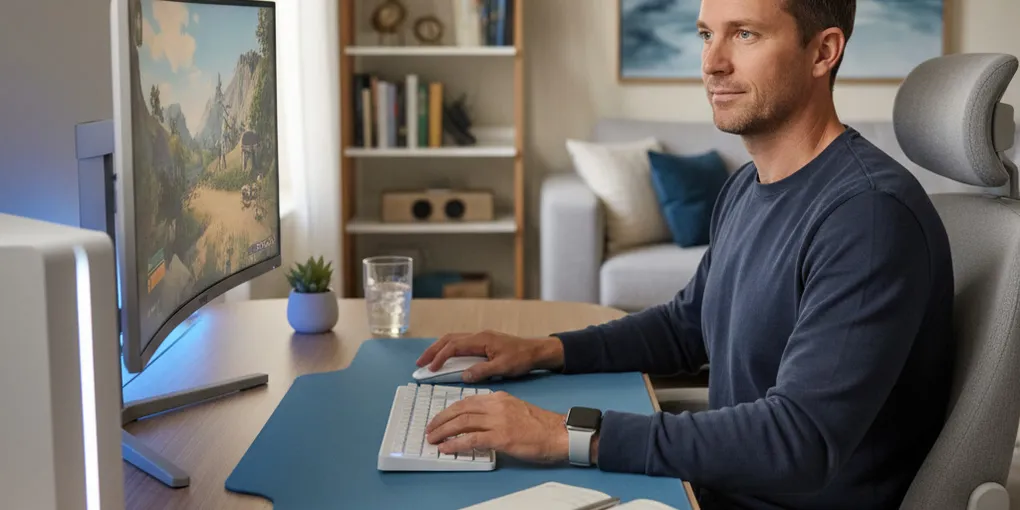
So here’s the thing—gaming isn’t just some teenage bedroom activity anymore. Actually, 64% of American adults are playing video games right now (yes, really), and the average gamer? They’re 34 years old. Let that sink in for a second. Digital entertainment has basically woven itself into the fabric of adult life, and honestly, with gaming’s meteoric rise comes this whole new responsibility thing that we need to talk about.
I mean, think about it. What used to get dismissed as “kid stuff” now eats up a massive chunk of how grown adults spend their downtime. The landscape has shifted—dramatically. But here’s the million-dollar question that keeps me up at night: how do we make sure gaming stays this positive, fun thing in our lives instead of… well, instead of becoming the thing that quietly dismantles everything else?
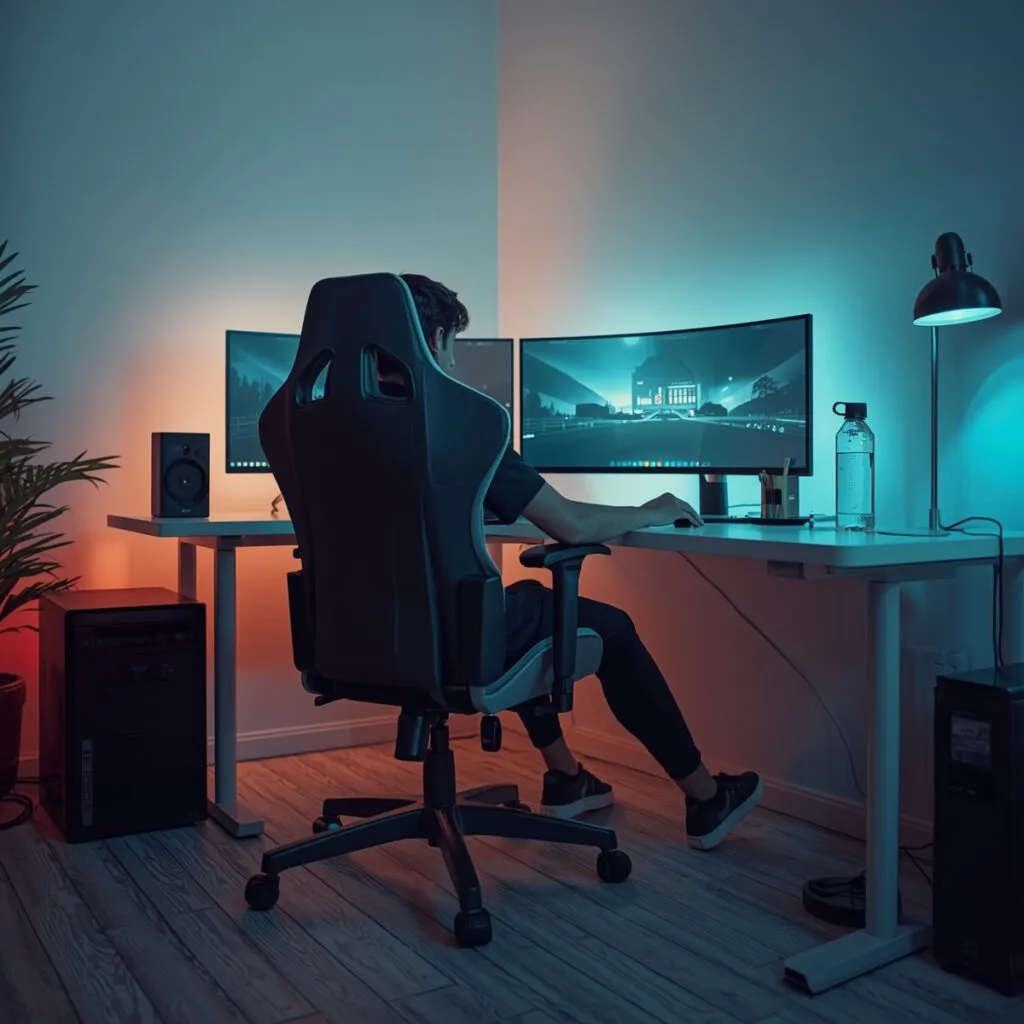
Understanding the fine line between healthy and problematic gaming
Look, the difference between good gaming habits and destructive ones isn’t always crystal clear. It’s blurry, actually frustratingly so.
Healthy gaming? It complements your life. It’s that perfect way to decompress after a brutal day at work, connect with your childhood friends who moved across the country, dive into narratives that rival any Netflix series, and challenge your brain in ways that feel… satisfying, you know? It slots naturally into your routine without elbowing out the important stuff.
But problematic gaming—that’s where things get messy. Your relationships start cracking at the edges. Work performance takes a nosedive (and your boss notices). If you’re in school, grades slip. The red flag? That voice in your head constantly whispering “just one more match” until suddenly it’s 3 AM and you’ve got a morning meeting in four hours. Gaming sessions balloon way beyond what you planned, and real life starts falling apart at the seams.
Here’s something I wish more people knew: if you’re sitting there wondering where your habits fall on this spectrum, self-assessment tools exist. Online quizzes with targeted questions can reveal whether you’re casual, flirting with risky patterns, or knee-deep in genuine problems. Knowledge is power, right?
Creating boundaries: time and space management
One of the absolute best strategies (and I cannot stress this enough) is setting clear boundaries around when and where you game. I know, I know it sounds restrictive, maybe even a bit controlling. But these limitations? They actually amplify your enjoyment and life balance in ways that seem counterintuitive until you try them.
Schedule your gaming time. Seriously, just like you’d schedule a dentist appointment or gym session, block out specific time slots for gaming during your week. This prevents that insidious “just one more match” trap that transforms into entire evenings… vanishing. Poof.
And keep gaming OUT of your bedroom—this one’s crucial. Your sleep sanctuary should scream rest and relaxation, not stimulation and competitive adrenaline rushes. This physical boundary protects your sleep quality, which (fun fact) is usually the first casualty when gaming gets excessive.
Timers or alarms? They’re your external accountability partners. When you’re deep in an intense raid or that ranked match where you’re finally climbing the ladder, hours evaporate like morning fog. A simple alarm yanks you back to reality and helps you honor those predetermined limits you set for yourself.
Choosing your games wisely
Not all games hit us the same way, and this is where things get personal, almost uncomfortably so.
Some games cultivate positive experiences: cooperation, creativity, and problem-solving that feels genuinely rewarding. Others? They breed toxic cesspools or addictive patterns that hook into your brain’s reward system like… well, like they were designed to do exactly that (because they were).
Consider the social dynamics. If League of Legends or Overwatch consistently leaves you feeling frustrated, angry, or stressed because of toxic players hurling insults, maybe explore single-player alternatives? Narrative-driven games let you experience compelling stories and gameplay minus the added pressure of competitive environments or dealing with that one teammate who won’t stop pinging.
Self-awareness is everything here. Some people find certain genres or specific titles trigger problematic patterns. A strategy game might be perfectly manageable for your coworker while becoming all-consuming for you. MMORPGs, with their endless progression systems and social obligations (guild raids at 8 PM sharp every Tuesday!), can be particularly brutal to moderate.
Be brutally honest with yourself about which games you can play in moderation and which ones hijack your time and attention. There’s zero shame in acknowledging certain games don’t work for you even if everyone else seems fine with them.
I’ll share something personal: I can play chess moderately, but World of Warcraft? That game grabbed me by the throat and wouldn’t let go. No amount felt like enough. Your “chess vs. WoW” might be completely different games, and that’s the point.
Protecting your physical and mental well-being
Gaming’s impact stretches way beyond time management; it hammers your physical health and mental state if you’re not careful (and sometimes even when you are).
The one-hour rule before bedtime isn’t negotiable for quality sleep. Gaming stimulates your brain, making natural wind-down basically impossible. Stop at least an hour before bed; give your body that decompression window it desperately needs. As an adult setting your own bedtime, this demands self-discipline and consistency that… honestly, some days you’ll nail it, other days you won’t.
Hydration and nutrition matter more than you think. It’s tempting—so tempting—to fuel marathon sessions with energy drinks and whatever junk food is within arm’s reach. But this combination absolutely destroys your body over time. Keep water nearby, and opt for healthier snacks. Your concentration actually improves (counterintuitive, I know), and you avoid that gnarly crash from excessive caffeine and sugar.
Regular breaks for movement and stretching prevent physical strain from extended sitting. Gaming sessions can trigger eye strain, back pain that radiates down your legs, and poor circulation that makes your feet tingle. Set a pattern: take brief breaks every hour to stand, stretch, and move around. Your body will thank you, and weirdly, these breaks help maintain focus and enjoyment better than powering through does.
Weekly review and adjustment
Perhaps the most critical habit for long-term healthy gaming? Regular reviews of your playing time. At the end of each week, honestly assess how much you played and how it impacted everything else.
Life circumstances shift constantly, and your gaming schedule should flex accordingly. Busy work periods or increased family obligations might require reducing gaming time. Holidays or slower periods? Maybe you’ve got more freedom to indulge in longer sessions—and that’s okay! The key is awareness and conscious choices rather than letting gaming creep into more and more of your time… unconsciously. Like water seeping under a door.
Many gaming problems develop gradually. Staying up slightly later each night. Skipping one workout, then two, and then you can’t remember the last time you went. Letting social commitments slide occasionally until it becomes your default pattern.
A sustainable approach might involve two hours or less, not necessarily every day. Maybe gaming becomes your weekend activity, or you limit it to certain weekday evenings. The specific structure matters less than finding a routine that meshes with your life circumstances and goals—your actual goals, not what you think they should be.
Experimentation and accountability
If structured gaming habits are foreign territory for you, view this as experimentation rather than restriction. Try different approaches, different time limits, different days, and different genres, and observe what works.
Track not just duration, but also how you feel afterward. Does a gaming session leave you energized and satisfied, or frustrated and wishing you’d used that time differently? These emotional responses provide valuable data about whether your current approach actually serves you.
Consider sharing goals with friends or family members who can provide supportive accountability. Sometimes having someone else aware of your intentions makes sticking to them… easier? Not easy, but easier.
Gaming as an adult offers incredible opportunities for entertainment, social connection, and mental stimulation that keeps your brain flexible. The goal isn’t eliminating gaming or viewing it with suspicion (like some relic from a moral panic) but ensuring it remains a positive element in a well-rounded life.
By setting clear boundaries around time and space, choosing games that create positive experiences rather than toxic ones, protecting your physical and mental health, and regularly reviewing your habits, you can enjoy gaming without it overshadowing other important areas. Without it becoming the thing that defines you.
The adult gaming landscape will keep evolving (VR is coming for us all, apparently), but these fundamental principles—balance, self-awareness, intentionality—will remain crucial for maintaining a healthy relationship with this engaging medium.
Your gaming habits should enhance your life. Not define it. There’s a difference, and it matters.