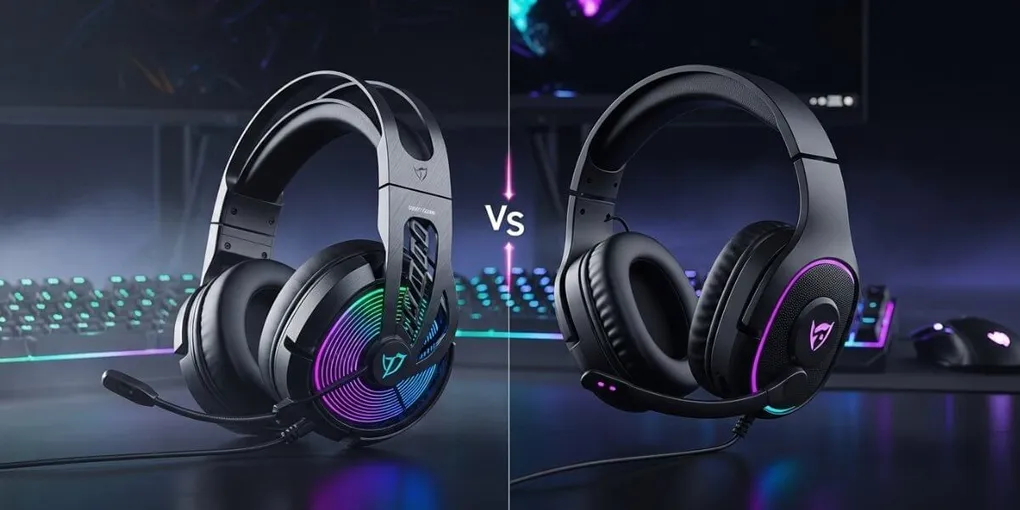
Gaming headset buyer guide 2026: budget vs premium which one is worth it?
This gaming headset buyer guide will help you choose between budget and premium headsets based on sound quality, comfort, features, and price.
Finding the perfect gaming headset can feel overwhelming. You need to balance sound quality, comfort, and useful features while staying within your budget.
After testing multiple headsets across different price ranges, it becomes clear that some deliver real value, while others are simply overpriced with flashy RGB and little substance.
Mid-range gaming headsets offer the perfect balance between performance and price. If you’re still unsure whether to go wireless or not, check out our complete gaming setup guide, where we break down how to choose the right headset.
This guide breaks down exactly which headsets are worth your money at every price bracket from those “I’m broke but need something decent” options under $50 to the “my streaming career is taking off” flagship wireless models that cost more than some people’s rent.
Gaming headset buyer guide: best budget headsets under $50
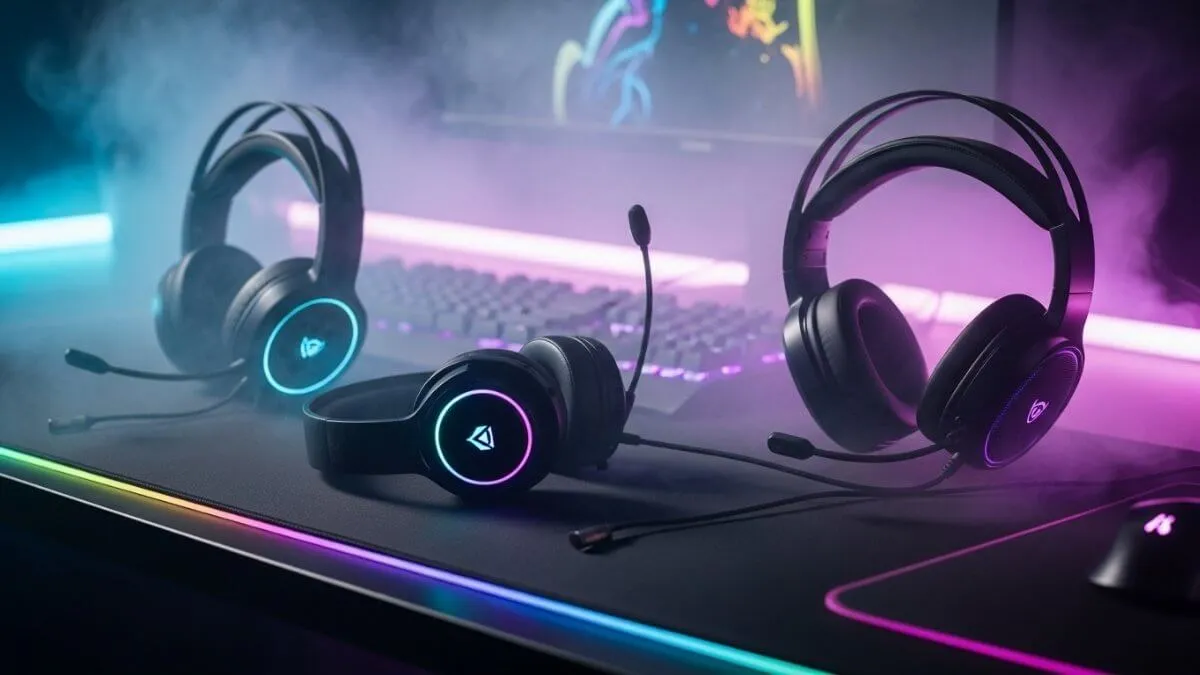
SteelSeries arctis nova 1: wired reliability
The Arctis Nova 1 has become my default answer when friends ask “what headset should I buy if I’m broke?” And honestly? It punches way above its weight class we’re talking comfort and audio that rivals stuff costing double or even triple the price. According to this gaming headset buyer guide, budget headsets can still deliver impressive performance if you choose wisely.
Here’s what surprised me first time I put these on: they’re ridiculously lightweight. SteelSeries uses this stretchy headband (kind of like a ski goggle strap, if that makes sense) combined with these soft airweave ear cups that just… work. I’ve done those marathon 6-hour gaming sessions where I completely forget I’m wearing a headset, which at this price point feels almost unfair to the competition.
The audio tuning is specifically designed for gaming, not for making your Spotify playlists sound amazing there’s a warm sound profile with noticeable bass that actually helps you pick out enemy footsteps in games like Call of Duty. It’s that directional audio thing where you can tell if someone’s coming from your left or right, which in competitive shooters makes the difference between winning and screaming at your monitor.
The retractable microphone caught me off guard too. Voice quality is surprisingly crisp your teammates will actually understand you without constantly going “what? say that again?” When you’re not gaming, it tucks away clean, transforming this thing into presentable everyday headphones for listening to music or whatever.
Now the limitations because nothing’s perfect at fifty bucks. It’s wired, which in 2025 feels a bit like going backwards, though some competitive players actually prefer wired for zero latency. The noise isolation is just okay; it’ll block out your PC fans humming away but won’t do much against your roommate’s loud phone conversations or street traffic.
For competitive gamers who prioritize hearing where enemies are and staying comfortable during long sessions while accepting that cables exist, the Arctis Nova 1 delivers unmatched value under $50.
Logitech G435 lightspeed: wireless freedom
The G435 Lightspeed completely changed what I thought was possible at budget prices. Wireless performance at this price point? That used to be fantasy territory, but here we are.
The weight is genuinely shocking 165 grams, which is lighter than most smartphones. I’ve literally forgotten I was wearing it during gaming sessions, which sounds like marketing BS but it’s actually true. That physical freedom of no cable combined with nearly 20 hours of battery life means you’re not constantly paranoid about charging it every single day like some needy electronic pet.
Audio quality is… decent for gaming, let’s be honest here. Bass response lacks the depth you want when explosions happen everything sounds a bit thin in cinematic single-player games. But for competitive gaming where you need to hear footsteps and positional cues? It works fine, which is what matters most.
The microphone situation is where compromises happen. Instead of a traditional boom mic, they use built-in beamforming technology (fancy way of saying “microphones hidden in the headset that try to focus on your voice”). My teammates said I sounded a bit distant or like I was talking from another room acceptable for casual gaming with friends but maybe not ideal if you’re trying to coordinate complex strategies in ranked matches.
One more thing: this headset runs small. If you have a larger head or bigger ears, the fit might feel uncomfortably tight, which is unfortunate because otherwise it’s fantastic. According to this gaming headset buyer guide, budget wireless headsets can still deliver impressive performance.
For casual gamers who value wireless convenience and that barely-there feeling over having the absolute best audio, the G435 Lightspeed is exceptional value. The wireless freedom at this price fundamentally transforms how you play compared to being tethered to your desk. In this gaming headset buyer guide, wireless headsets like the G435 offer great flexibility for casual players.
Mid-Range excellence: best gaming headsets around $100
HyperX cloud III wireless: marathon battery life
This gaming headset buyer guide highlights the best mid-range options that balance performance and price. The Cloud III Wireless focuses on one thing above everything else: battery life so long you’ll genuinely forget what charging feels like. We’re talking approximately 120 hours per charge I used this thing for what felt like weeks of daily gaming before it finally died, which was honestly startling when it happened because I’d completely forgotten batteries run out.
Comfort follows that classic HyperX formula they’ve perfected over the years. Plush memory foam ear cups and a sturdy aluminum frame that can take some abuse without falling apart. The build quality feels reassuringly solid in a way that makes you think “yeah, this’ll survive being thrown in a backpack repeatedly.”
Audio tuning targets competitive gaming specifically there’s an emphasis on mid-range and high frequencies that makes footsteps and reloads incredibly clear in tactical shooters like CS:GO and Valorant. Where people hear you coming or where that enemy is reloading becomes super obvious. However (and this is important), that clarity comes at a cost: bass is noticeably weak. Explosions and cinematic moments lack that rumbling impact that makes single-player games feel immersive and epic.
According to tests from RTINGS, gaming headset sound quality depends on frequency respo
For a complete breakdown of how audio fits into your overall setup, check out our full gaming setup guide
The detachable microphone is a solid improvement over the previous Cloud II model. Your squad will hear you clearly without constant “can you repeat that?” moments, and you can remove it when using the headset for music or movies without that weird boom mic sticking out. According to this gaming headset buyer guide, mid-range headsets deliver the best balance between price and performance.
For marathon gamers who prioritize comfort and literally never wanting to plug in their headset over having bass-heavy cinematic audio, the Cloud III Wireless delivers exactly what matters at this price point. This gaming headset buyer guide confirms that mid-range options are ideal for most gamers.
Turtle beach stealth 600 gen 3: versatile connectivity
The Stealth 600 Gen 3 really surprised me in a good way. The feature density at this price is honestly kind of ridiculous. The standout capability? Combining low-latency 2.4GHz wireless (for gaming) with simultaneous Bluetooth connectivity (for your phone), which means you can seamlessly switch between your gaming PC and mobile device without that annoying manual re-pairing dance.
Battery performance is another win over 80 hours between charges, which translates to multiple full days of gaming before needing power. The all-plastic build doesn’t feel as premium as the HyperX’s aluminum frame, but it keeps the weight comfortable. Mesh ear pads provide breathability (your ears won’t turn into sweaty messes), though noise isolation is just okay.
Sound profile leans toward excitement rather than analytical precision. Full, punchy bass makes games feel more immersive and fun, while the 50mm drivers deliver excellent directional audio for competitive play. They have this “Superhuman Hearing” mode that amplifies subtle sounds though honestly it feels a bit artificial and gimmicky to me, but some people swear by it.
The dual connectivity transforms this headset’s utility beyond just gaming. Answering phone calls mid-session or seamlessly switching to Spotify between matches becomes effortless, which makes it particularly valuable if you want one headset handling everything rather than juggling multiple devices.
Between these two? I’d buy the Turtle Beach Stealth 600 Gen 3. The dual connectivity and more exciting bass-heavy sound profile make it more versatile and frankly more fun for my mix of competitive gaming and casual media consumption.
Choosing the right headset depends on how you game and what features matter most. For a full overview of all gaming gear categories, check out our ultimate gaming setup guide
Premium performance: best gaming headsets around $150
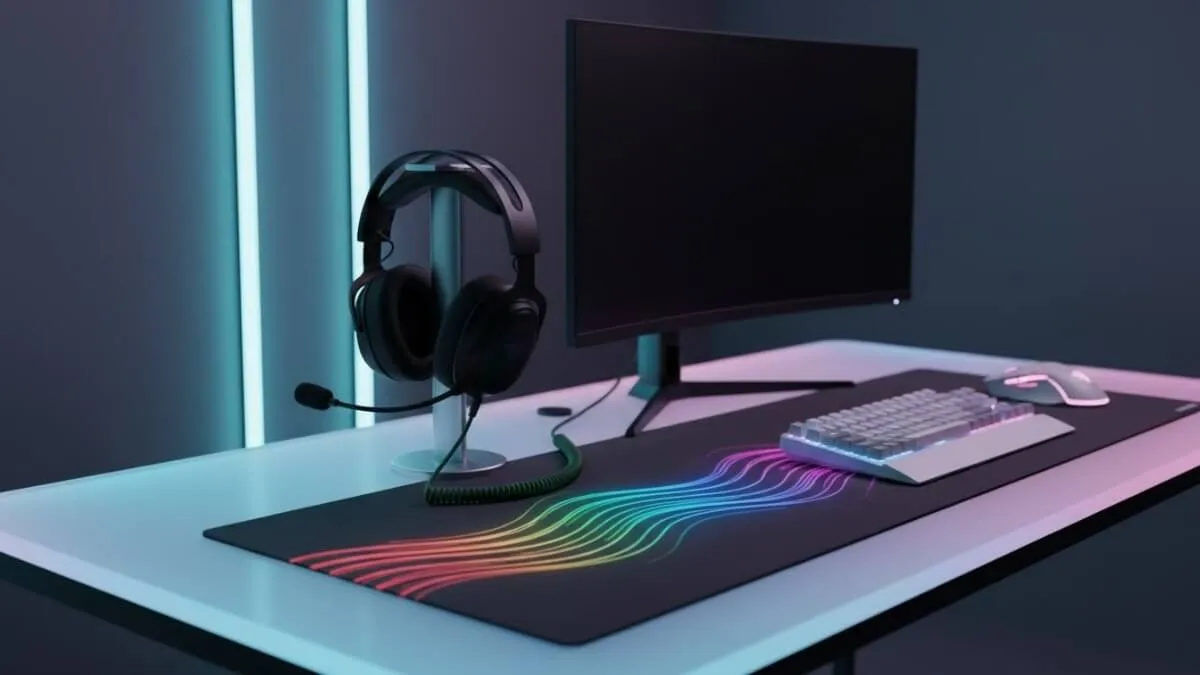
A premium gaming headset setup offering enhanced comfort, sound clarity, and build quality.
Razer BlackShark V3 wireless: competitive clarity
The BlackShark V3 Wireless completely surprised me with its audio detail this is a wireless headset that genuinely competes with wired sets for clarity, which is a meaningful achievement when you think about it. The sound separation in chaotic audio environments (think: multiple gunfights happening simultaneously) excels at letting you pinpoint exactly where footsteps and reloads are coming from.
Weight optimization is a massive win for comfort. Significantly lighter than many competitors, the BlackShark V3 avoids that pressure buildup that makes your head hurt after marathon sessions. Memory foam and leatherette ear cups provide surprisingly effective passive noise isolation—your roommate’s conversations fade into irrelevance while you’re gaming.
Audio performance prioritizes gaming over music reproduction though. While it’s exceptional for competitive titles where positional audio matters, music listening reveals somewhat muffled characteristics where bass feels less clean compared to dedicated music headphones. This specialization makes sense given who’s buying this competitive players seeking every possible audio advantage to win matches.
The wireless implementation adds zero perceptible latency, which maintains that real-time audio response competitive gaming absolutely demands. Battery life supports full-day gaming sessions without annoying mid-session charging interruptions.
For serious competitive players who want wireless freedom without sacrificing the positional audio cues needed to clutch rounds, the BlackShark V3 Wireless delivers specialized performance worth the premium pricing.
EPOS game one: open-back immersion
The Game One distinguishes itself through open-back acoustic design which is uncommon in gaming headsets but absolutely transformative for audio quality when you experience it. The sound stage expands dramatically compared to closed-back alternatives, creating this natural, spacious audio that avoids the “trapped inside cups” feeling typical gaming headsets have.
Comfort excels for long-term wear, though the initial clamping force feels pretty firm until the headband adjusts to your head shape over time. The microphone is legitimately best-in-class at this price point my teammates immediately commented on how much clearer and more natural my voice sounded compared to my previous headset. Crystal-clear communication without constant repetition requests transforms team coordination from frustrating to seamless.
Sound quality impresses across both gaming and music applications. Clear mids and highs create genuinely immersive experiences in story-driven games where dialogue and environmental sounds matter as much as gameplay. However, bass response feels lighter than closed-back competitors if you’re used to booming explosions that rattle your skull, you might initially find this presentation less exciting.
The open-back design demands specific use conditions though, and this is critical: virtually ALL environmental noise enters the cups while your audio leaks outward. Shared spaces or noisy environments make this headset problematic it only makes sense for quiet, private gaming environments where you won’t disturb anyone.
For audiophile gamers in quiet rooms who prioritize realistic sound reproduction and exceptional microphone quality above everything else, the EPOS Game One offers unmatched immersion at this price point.
Flagship territory: best gaming headsets around $200
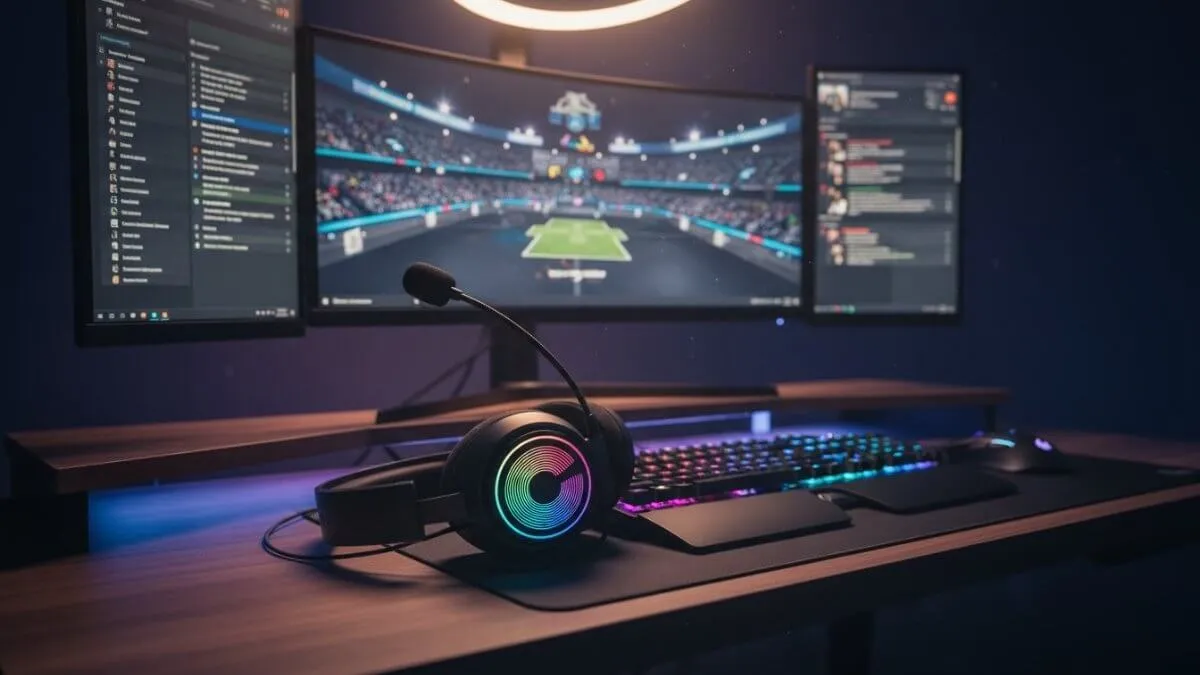
A flagship gaming headset designed for competitive performance and immersive gameplay.
Drop + Sennheiser PC38X: audiophile gaming
The PC38X elevates gaming audio into genuine audiophile territory it feels more like premium headphones than a typical gaming accessory, which is exactly what Drop and Sennheiser were going for. The open-back design creates extraordinarily wide sound staging that makes single-player games feel expansive and immersive in ways closed-back headsets simply cannot achieve.
Lightweight construction and excellent breathability prevent that heat buildup typical of closed-back designs during extended wear (your ears won’t feel like they’ve been steamed). However, clamping force starts pretty firm requiring actual break-in time before achieving optimal comfort. The all-plastic build feels somewhat flimsy given the premium pricing, which is a perceptual thing even if the structural integrity is actually fine.
Audio reproduction emphasizes detail and warmth, creating amazing experiences for music and story-driven games where you want to hear every subtle sound. Competitive FPS players might find bass response insufficient for tracking footsteps compared to gaming-specific tuning though. The flip-to-mute microphone delivers clear, natural voice reproduction that elevates communication quality noticeably.
The open design creates identical limitations as the EPOS we discussed earlier sound leaks bidirectionally, absolutely requiring quiet environments.
Logitech G pro X wireless: competitive workhorse
The G Pro X Wireless has become a competitive gaming staple, and after using it extensively I understand why. Lightspeed wireless technology provides rock-solid connectivity with imperceptible latency, while 20-plus hour battery life eliminates that constant charging anxiety.
Design choices prioritize professionalism over aggressive gaming aesthetics which is actually beneficial if you want one headset for both gaming and work calls (yes, some of us have to be adults sometimes). Sound delivers excellent clarity for competitive gaming with well-defined mids that make in-game dialogue and callouts easily distinguishable, though some highs sound harsh before EQ adjustment in the software.
G Hub software provides the key differentiator here Blue Voice microphone processing enables crystal-clear communication through extensive customization options. This transforms the adequate default microphone into genuinely impressive communication quality that makes your teammates think you’ve got expensive recording equipment.
Weight and clamping force become noticeable during marathon sessions not uncomfortable exactly, but definitely present. Passive noise isolation performs adequately without being exceptional.
Between these two? I’d buy the Drop PC38X for its unmatched audio immersion, but the Logitech G Pro X Wireless is honestly the better all-around pick for anyone prioritizing wireless freedom and clear communication.
Ultimate performance: flagship gaming headsets above $300
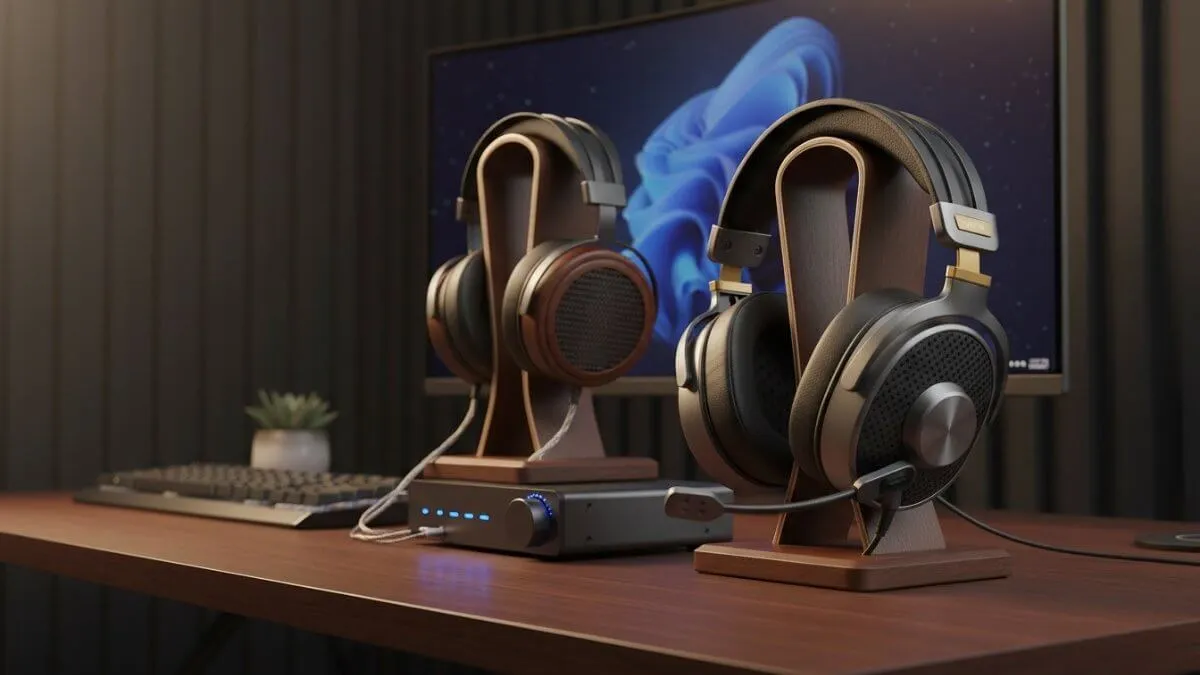
A high-end gaming headset setup featuring audiophile-grade sound, premium materials, and professional audio equipment.
Audeze maxwell: audiophile excellence
The Maxwell completely recalibrates your expectations for what gaming audio can sound like. Those 90mm planar magnetic drivers deliver sound quality that’s simply on another level rich, detailed, clean audio with deep bass you can feel without it ever sounding muddy or overwhelming. I found myself using them for music and movies just as much as gaming because they sound THAT incredible.
Battery life exceeds 80 hours per charge, which essentially means charging considerations disappear from your life. Build quality feels exceptionally premium throughout, though there’s a trade-off: substantial weight approaching 500 grams. While plush ear pads and the suspension strap make them comfortable enough for extended wear, you definitely notice the heft it’s there, pressing gently but persistently on your head.
The absence of active noise cancellation at this price point is honestly surprising and feels like a notable omission.
SteelSeries arctis nova pro wireless: ultimate convenience
The Nova Pro Wireless functions less like a headset and more like a complete audio command center which sounds like marketing speak but it’s genuinely accurate. The Infinity Power system with hot-swappable batteries eliminates charging entirely: one battery is always ready in the wireless base station while you use the other. I have literally never had to plug this headset in to charge it, which feels almost magical.
That base station is a game changer, allowing seamless device switching between PC and PlayStation 5 plus on-device 10-band EQ adjustment without ever touching software. Active noise cancellation effectively blocks ambient sound and once you’ve experienced it, going back feels painful.
Audio quality delivers crispness and clarity though it lacks the Maxwell’s audiophile richness and that “wow” factor. Significantly lighter construction and superior comfort make all-day wear genuinely comfortable without that weight fatigue.
If I could only choose one? I’d buy the SteelSeries Arctis Nova Pro Wireless. Its combination of all-day comfort, effective ANC, and the sheer convenience of that hot-swappable battery system makes it the more practical choice for my daily gaming and work life. The Maxwell sounds better, no question but the Nova Pro’s convenience factor wins out for actual day-to-day use.
This gaming headset buyer guide gives you all the insights needed to choose the right headset based on your needs and budget.
Finding the perfect gaming headset is like trying to solve a Rubik’s cube blindfolded you’re balancing sound quality, comfort that doesn’t make your ears feel like they’ve been in a vice, and features that actually matter, all while your budget screams at you from the corner. After testing what feels like every headset known to humanity (okay, it was actually across multiple price points but it FELT like everything), I’ve figured out which ones actually deliver value and which ones are just expensive disappointments wrapped in RGB lighting.
This guide breaks down exactly which headsets are worth your money at every price bracket from those “I’m broke but need something decent” options under $50 to the “my streaming career is taking off” flagship wireless models that cost more than some people’s rent.